Return to the High Pastures: An Alpine Wool Revival in Slovenia

Step into Slovenia’s high meadows where resilient flocks, whirring spindles, and plant-born colors bring mountain heritage back to life. Today we explore Alpine Wool Revival: Shepherding, Spinning, and Natural Dyeing in Slovenia, moving from dewy planina pastures to dye pots scented with walnut hulls and weld. Expect practical guidance, living history, and stories from shepherd huts and community mills that prove sustainable craftsmanship can still warm hands, homes, and futures. Share your questions, join our letters, and keep this revival moving.

From Pastures to Yarn: Life with Alpine Flocks
Follow the seasonal rhythm from spring lambing to autumn journeys down the valleys, where planina huts smoke at dawn and bells ring across flowered meadows. Learn how humane shearing, attentive grazing, and thoughtful sheltering practices keep sheep healthy, fleeces lustrous, and landscapes resilient against erosion. We weave in small rituals—salt blocks, water checks, hoof care—that accumulate into real stewardship, balancing tradition with modern welfare standards and local climate realities.

Spinning Traditions Reimagined

Colors of the Mountains: Natural Dyeing

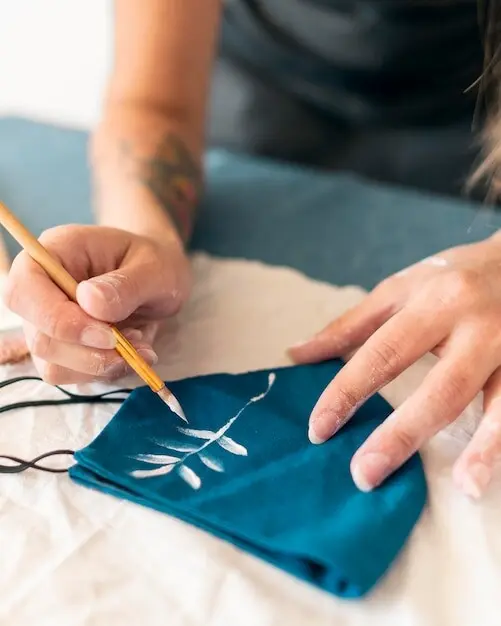
Pigments live along footpaths: weld gleams yellow on sunny edges, walnut hulls brew warm browns, while woad and indigo summon blue skies to cloth. Slovenian hedgerows hide lichens and alder cones, though responsible foraging and permits matter deeply. We map safe processes, lightfast expectations, and water stewardship, proving that mountain color can be both vibrant and ethical. Share your swatches so others learn from triumphs, surprises, and beautifully honest near-misses.

Local Plants and Pigments

Gather weld (Reseda luteola) when flowers glow, capturing luteolin’s luminous yellows. Save green walnut hulls for rich, washfast browns without a mordant. Experiment with onion skins from village markets for ambers, and elderberries for fleeting purples best reserved for art pieces. Keep a forager’s notebook with dates, locations, and drying notes. When your jars line the sill like stained glass, you’ll feel the mountains collaborating with every future skein.

Mordants, Modifiers, and Water

Alum remains a gentle classic for protein fibers, bonding color securely without harshness. Iron saddens hues into mossy greens and antique charcoals, while copper shifts yellows toward olive—use sparingly and dispose responsibly. Water hardness in Alpine villages can change results, so test pH and minerals first. Keep temperatures below simmer to protect loft. Document everything obsessively; repeatable magic is simply careful notes plus patient curiosity practiced session after session.

Safety and Sustainability

Dye joy grows when safety becomes ritual: gloves, dedicated pots, labeled jars, and tidy benches with spill kits ready. Compost plant residues thoughtfully; never dump solutions into streams. Forage with restraint, leaving generous stands to regenerate. Prioritize domestic plants before imports with murky supply chains. Share checklists with your studio buddies and, if you teach, model slow, respectful cleanups. Beauty that protects watersheds and lungs always wears the most convincing glow.

Designing with Mountain Wool

Alpine fibers invite texture-forward design that feels honest in hand and durable in use. Crimp and memory deliver lively cables, while natural-dyed palettes whisper rather than shout. We pair yarn structure with stitch architecture, pattern scale, and finishing techniques so garments breathe on hikes yet polish city outfits. Expect swatch-driven decisions, practical schematics, and storytelling details that honor place—everything needed to move from skein admiration to daily, beloved wear.

People, Places, and Revival

A renaissance needs community: shepherds, mill technicians, spinners, dyers, knitters, and buyers who value traceability. Micro-mills test small lots, cooperatives market transparent blends, and village festivals let hands meet wool before wallets open. We spotlight makers balancing invoices with inspiration, and invite you to commission responsibly. Your subscriptions, comments, and preorders signal demand that funds flocks through winter, preserving skills that technologies alone cannot safely archive or adequately replace.

Cooperatives and Micro-Mills

Small mills in Alpine valleys experiment with gentle scouring, low-twist carding, and custom spinning runs, letting a single flock become a named yarn. Cooperatives pool transport, testing, and label design so artisans focus on craft. Visit during open days to watch skeins emerge and to ask unfiltered questions about micron counts and blends. Leave with yarn plus friendships that make every future stitch feel like a reunion.

Teaching the Next Hands

Workshops in school gyms and mountain lodges pair elders’ muscle memory with beginners’ smartphone note-taking. Students learn to skirt fleeces, manage tension, and brew dye vats while hearing trail stories that anchor techniques in lived landscapes. Offer scholarships, lend tools, and bring snacks; hospitality lowers barriers better than slogans. If you can teach one skill this season, promise patience. If you can learn one, promise practice and cheerful resilience.

Markets, Labels, and Honest Pricing

A fair tag reflects feed, shearing, scouring, milling, dyeing, design, and the unpredictable weather between them. Clear labels list breed, farm location, batch number, and care. Photos of grazing days build trust quicker than adjectives. When customers understand true costs, they buy fewer, better pieces and cherish repairs. Share your pricing questions openly; together we can normalize respectful margins that keep flocks healthy and artisan calendars realistically humane.

A Traveler’s Guide for Wool Seekers

Map your journey through valleys and ridgelines where yarn stories begin. Pair hikes with studio visits, tasting buckwheat dishes between mill tours. Always call ahead; small workshops close for lambing or dye days. Carry a notebook for plant sightings, skein labels, and overheard advice at cafés. Your respectful curiosity sustains rural economies, celebrates landscape-friendly practices, and returns home as mittens, photographs, and friendships that outlast souvenirs bought without context.

Bohinj and Triglav Footpaths

Circle Lake Bohinj at sunrise, then climb toward planina pastures where wooden huts cluster like storybook commas. Arrange a quick fleece talk with a local herder, ending at a tiny studio spinning wheel demonstration. Afternoon clouds invite a dye walk along forest edges collecting windfallen materials only. Post your route, eateries, and learnings in our comments so the next traveler meets hospitality prepared by generous, practical, wool-loving neighbors.

Solčava Panoramic Road Workshop Day

Drive the Solčava Panoramic Road, pausing at viewpoints that turn valleys into folded quilts. Book a half-day class turning prepped batts into spindle-spun singles dyed with weld. Lunch features shepherd’s cheese and rye bread, then a quick stop for postcards that actually show working flocks. Purchase one skein with the farm’s name, not just colorway. That label becomes a compass whenever you feel lost in your studio back home.

Care, Repair, and Longevity

Gentle Washing and Seasonal Storage

Handwash in lukewarm water with a drop of wool wash, resisting agitation until fibers sigh loose and clean. Roll in towels, reshape, and dry flat away from radiators. Cedar, lavender, and regularly opened closets keep moths confused. Off-season, seal cleaned pieces in breathable cotton bags. Add a tiny card noting the yarn’s farm and dye source; provenance beside freshness turns storage into a small ritual of gratitude.

Darning as Design

When a heel thins or an elbow blooms a hole, greet the moment as an invitation. Use contrasting naturally dyed yarns to weave sturdy, celebratory patches that read like tiny landscapes. A darning mushroom helps tension; patience makes beauty. Record date and place on a tag inside the garment. Each repair stitches another chapter—proof that usefulness and charm happily coexist when we treat textiles as companions rather than consumables.

Documenting Provenance and Legacy

Attach swing tags or journal entries listing shepherd names, breed, mill, spinner, dyestuff, and care recommendations. Photograph the garment at landmarks from your Alpine trip, then back home during first snow. Such records anchor memory, assist future repairs, and raise resale or archival value. Invite family to choose an heirloom now, not someday. Stories transferred early keep wool alive in wardrobes rather than silent in forgotten drawers.
Dexomexonarilaxifariviro
Privacy Overview

This website uses cookies so that we can provide you with the best user experience possible. Cookie information is stored in your browser and performs functions such as recognising you when you return to our website and helping our team to understand which sections of the website you find most interesting and useful.