

Fire, Limestone, and Red Earth: Journeys in Slovenian Wood‑Fired Ceramics

Today we explore Clay from the Karst: Slovenian Pottery Traditions and Wood‑Fired Kilns, following the iron‑touched earth across limestone fields to the glow of stubborn fireboxes. On this rugged plateau, where forests lean before the bora wind, makers coax warmth, usefulness, and quiet poetry from patiently prepared clay. We will meet the ground, the tools, and the flames, then carry their lessons home, so every bowl, jug, and plate can serve meals, stories, and small moments of wonder with resilient, place‑shaped grace.

Where Stone Drinks Rain: Understanding Karst Clay

The Karst plateau teaches patience. Rain seeps through fissured limestone, leaving behind a red, iron‑rich residue that potters prize for its honest character. Harvested thoughtfully, aged in cool cellars, and blended to balance grit with plasticity, this earth becomes a body that responds to hand and flame. Understanding its quirks—lime pebbles, shrinkage, and the temper it demands—builds respect, shaping choices from throwing speed to firing schedule, and ultimately gifting every finished piece with grounded personality and dependable strength.

Pitchers That Breathe Under the Bora

Slightly porous, well‑burnished pitchers whisper coolness into summer water through slow evaporation, a relief when dry winds sweep the plateau. Their bellies are ample for stability, necks narrow to guide a steady pour, and pulled handles sit high for secure control. A thoughtful lip protects against a last, unruly droplet. In use, these vessels gather fingerprints and mineral kisses, softening shine into a lived‑in glow that rewards careful cleaning, patient drying, and cycles of daily hospitality.

Bowls for Bread, Prosciutto, and Teran Evenings

Wide, open bowls invite slicing bread, arranging thin prosciutto, or tossing greens dressed with sharp vinegar. The Karst table pairs these bites with deep red Teran wine, so potters consider staining and acidity when choosing slips and glaze linings. Gentle curves ease serving spoons, while sturdy feet lift food from cool stone counters. Wood‑fired surfaces frame color beautifully, letting ash freckles and flame blushes amplify ripe tomatoes, fresh cheeses, and olives, turning simple gatherings into unhurried, memory‑rich meals.

From Ember to Soaking Heat

The firing begins gently, warming shelves and walls so clay exhales safely. As embers deepen, stokes grow rhythmic, feeding on split beech or oak for reliable coal beds. Makers listen for the hush between draws, adjusting the damper to keep flame licking evenly through the setting. By the time witness cones soften, the kiln has become a living weather system—pressures balancing, whorls forming—inviting a careful push toward maturity rather than a reckless sprint that risks warping and cracks.

Reading Cones, Coals, and Quiet Shadows

Witness cones bend like patient messengers, telling truths about heatwork where pyrometers can mislead. The sheen on coals, the tempo of secondary air, and the way flame lingers on a shoulder reveal uneven pockets or stalled climbs. A potter’s notebook gathers these clues, mapping where cups need protection or where plates crave more ash. Over time, fine adjustments—one split smaller, one stoke earlier—turn chaos into collaboration, allowing heat to saturate mass rather than flash angrily past delicate rims.

Ash as Painter, Time as Brush

In a good burn, ash drifts, melts, and rivulets into natural glaze, tinting greens, ambers, and smoky grays. Wood species matter: beech often yields glassy clarity, oak leans toward textured, crystalline runs. Placement matters too—cups angled into the blast collect dramatic curtains; tucked bowls catch gentle freckles. Slips beneath create dialogues of contrast, revealing flame‑kissed flashing lines. Each piece becomes a weather record you can hold, touched by drafts, pauses, and the maker’s midnight decisions at the stoking door.

Surfaces Born of Place: Slips, Washes, and Natural Finishes
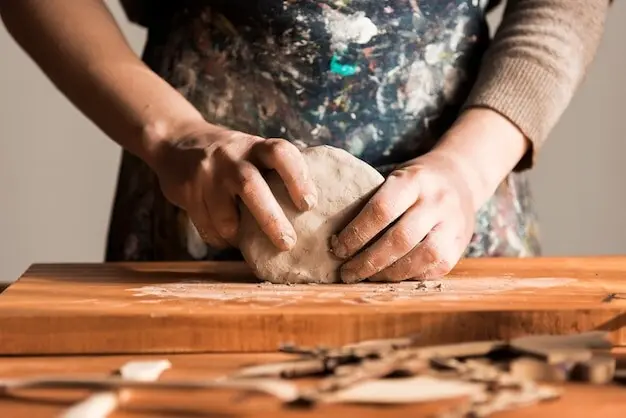
Karst makers often favor understated finishes that let form and fire speak. Refined local slips burnish to silky warmth, while thin terra sigillata glows under dancing embers. Iron washes sketch shadows across rims; flashing clays invite soft blush. These choices honor food and touch: glazed interiors protect from acidity and stains; textured exteriors offer grip and visual depth. Rather than masking the body, finishes frame it, welcoming ash to collaborate and preserving the clay’s mineral voice throughout everyday use.

Nights by the Kiln: Stories, Mishaps, and Small Miracles
Firing stretches time. Conversations drift between stokes; stars wheel overhead; someone hears a faint ping and smiles, knowing cooling quartz will sing again tomorrow. Not every plan survives the heat, yet surprises become teachers. A handle glows, ash rivers carve tiny valleys, and doubts learn patience. These nights shape communities as surely as bowls and pitchers do. Share your firing tales, questions, or near‑misses with us; your experiences can help the next person trust their hand beside the fire.

Bringing Fire‑Kissed Clay to Your Table: Care and Rituals

Good pottery serves best when we serve it well. Rinse new pieces gently, avoid shocking from freezer to oven, and introduce heat gradually. Hand‑washing preserves nuanced surfaces; allow thorough drying before cabinets close. Sturdy, glazed interiors welcome sauces and oils, while matte exteriors reward a soft brush. Pair textures with foods that celebrate contrast: crisp crusts against satin bowls, bright salads atop ash‑dappled plates. Share photos of your table, request care tips, and join our future kiln‑side updates.
Dexomexonarilaxifariviro
Privacy Overview

This website uses cookies so that we can provide you with the best user experience possible. Cookie information is stored in your browser and performs functions such as recognising you when you return to our website and helping our team to understand which sections of the website you find most interesting and useful.