
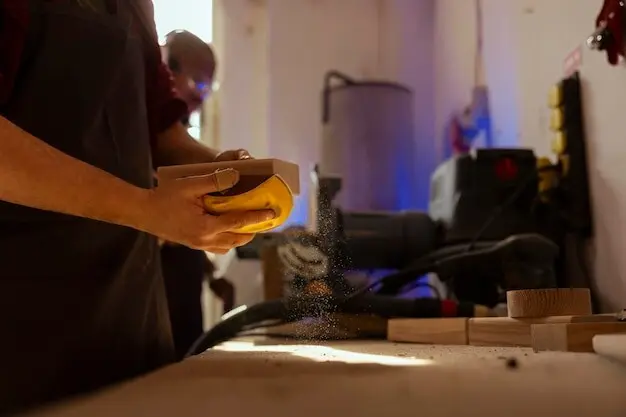
Maker's Map: Slow Journeys Through Slovenian Artisan Villages
Join a gentle expedition where patience becomes the guide and every village lane reveals practiced hands at work. We wander through Slovenia with slow travel itineraries that connect lace bobbins whispering in Idrija, iron singing in Kropa, honeyed warmth in Radovljica, woodcarvers shaping Ribnica’s heritage, and salt crystals blooming at the Sečovlje pans near Piran. Expect practical routes, true stories from workshops, and respectful ways to meet makers without rushing. Pack curiosity, learn a few warm greetings, and share your own discoveries along the way so our collective map grows deeper with each thoughtful step and conversation.
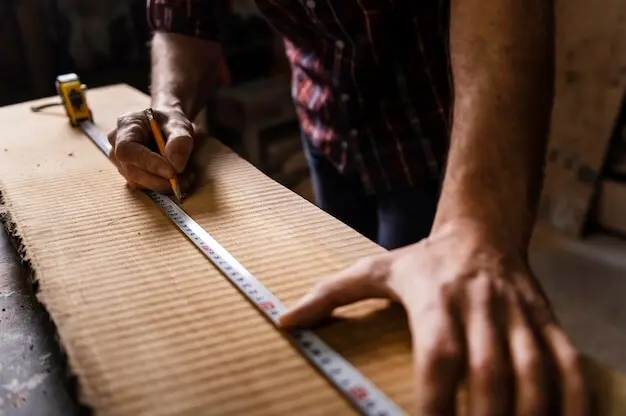

Set Your Pace: How to Travel Slowly and Notice the Craft
Slow travel in Slovenia rewards unhurried eyes and open calendars. Trains, regional buses, bicycle lanes, and forest footpaths link mountains, karst, and coast in humane rhythms that let you hear hammers cooling and looms pausing for tea. Add buffers between stops, confirm opening hours with local tourist offices, and learn simple Slovene greetings. When you wait kindly, invitations appear: a backyard kiln opened, a slice of potica offered, an impromptu workshop extended by another hour. Patience gathers stories that schedules alone can never buy, and those stories become souvenirs that never need packing.
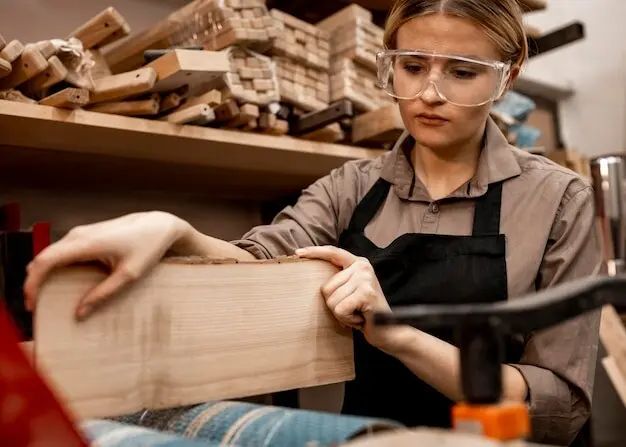
A Handcrafted Route Linking Mountains, Karst, and Coast
Design a looping path that trades speed for texture. Begin among Idrija’s narrow streets where bobbins tick like rain on windows, continue to Kropa’s gurgling stream lined with blacksmithing memories, then drift into Radovljica where gingerbread hearts glow lacquer-red beside a museum honoring the Carniolan bee. Curve south through Ribnica’s valleys of woodenware, and finish by the Adriatic at Sečovlje’s salt pans and Piran’s radiant harbor. Distances are short, but resist the urge to stack days too thick. Let each region breathe, and the map will breathe with it, revealing connections across craft, landscape, and taste.
Conversations at the Workbench
Great encounters begin with attention, not agendas. Introduce yourself, declare your curiosity, and ask permission before crossing invisible lines in a studio. Makers juggle drying times, red-hot metal, whirring blades, and workshop dust. They also hold family stories and regional history. Listening well earns trust, which unlocks techniques, trials, and triumphs that catalogs never list. Bring cash for small purchases, a notebook for sketches, and space for silence. Leave reviews, tag respectfully on social media, and share contact details if welcomed. Relationships outlast itineraries, and friendship travels lighter than any souvenir.
Souvenirs With Soul: Choosing, Packing, and Shipping
Quality reveals itself in edges, finishes, and balance. Turn a spoon to feel weight where hand meets bowl, trace a lace border to see even tension, and check forged iron for clean lines, not grinding scars. Ask about drying times, food-safe oils, or low-temperature salt handling. Certificates or guild marks can verify method and origin without turning emotion into paperwork. Provenance is a conversation: who taught the maker, where the wood grew, why this pattern belongs to this valley. The more you learn, the more responsibly you choose.
Build soft armor with scarves, socks, and spare shirts, then stiffen corners using cardboard scored to bend without cracking. Place heavy pieces low in your bag and isolate sharp items within protective sleeves. For fragile ceramics, double-box with cushioning gaps so impacts diffuse. Many studios sell fitted packaging or offer insured shipping, which spares your back and nerves on mountain buses. Photograph contents before sealing, keep tracking numbers accessible, and note care instructions inside. A thoughtfully prepared parcel travels like a guest who knows exactly where they will sleep.
Direct purchases keep skills alive where they began, paying apprenticeships, workshop rent, and winter heating bills. If you cannot carry more, leave a review, follow the maker, and join newsletters to learn when new designs or classes appear. Ask for recommendations to neighboring studios; networks of artisans often share materials, tools, and markets. Consider commissioning a piece that marks your visit with a date or motif. Circles strengthen when attention loops back repeatedly, ensuring that your first encounter becomes a relationship rather than a transaction passing in a single, hurried afternoon.
Taste the Territory While You Wander
Mountain Dairies and Woodenware
Climb to summer pastures where bells mark time and smoke from alpine huts seasons every story. Watch curds set, learn how wheels are salted and brushed, and ask which knife best respects a brittle rind. Woodenware from Ribnica carries that simplicity to your kitchen, its grain tightening with use and washing. A spoon remembers stews cooked for tired legs, while a butter paddle knows the rhythm of mornings before trailheads. Pack a small board, add fruit and cheese, and your rest stop becomes a picnic that honors hands and hills together.
Mead, Honey, and Painted Hearts
Radovljica celebrates the Carniolan bee, loved for calm temperament and steady work. Taste mead that glows like late afternoon, nibble pollen with yogurt, and compare honeys from linden, forest, and acacia blossoms. Nearby gingerbread hearts, lacquered and lettered by hand, carry messages you can customize for friends. Ask about traditional molds, pigments, and drying racks that fill rooms with sweet patience. When you leave with a small box, you carry a pocket of sunlight and a note written in sugar, proof that delicacy and endurance are kin.
Karst Cellars and Orange Wines
Under hills etched by bora winds, cellars in the Karst and Vipava Valley shelter pršut hung like quiet bells and bottles of amber wine scented with dried apricot and tea. Salt from Sečovlje lifts each slice, while rosemary whispers of stone terraces. Winemakers speak of skin contact as if discussing time: when to hold, when to release. Sit with a glass long enough to watch conversation change color. You will leave understanding that patience ferments not only juice, but also friendship, and that both travel well in stories.
Seasons of Making: Festivals and Workshops to Plan Around
Craft calendars beat like small, steady hearts. Winter warms with indoor studios and museum talks; late winter bursts into Ptuj’s Kurentovanje when shaggy masks chase away cold, a ritual recognized by UNESCO for its living vitality. Early spring in Kropa floats candlelit boats for St. Gregory’s Day, celebrating returning light and work. Summer gathers Idrija’s lace festival and open-air markets, while the coast dries its salt under bright skies. Autumn crowns Ribnica’s fair and vineyard harvests. Book early, dress in layers, and leave evenings free for conversations that rewrite tomorrow’s plans.
All Rights Reserved.